
German with Marwan
German with Marwan
Klitschko Brüder 🇺🇦
0:00
-4:40

Klitschko Brüder 🇺🇦

Klitschko brothers

Ich grüße euch!

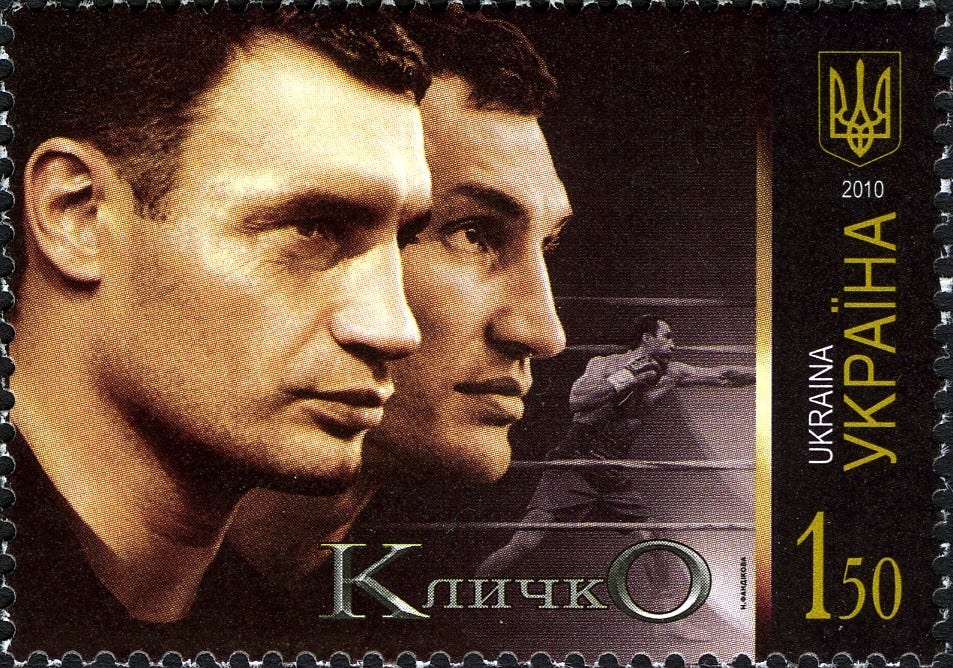
Have you heard of the Klitschkos? In Germany, they’re not just seen as successful boxers. Their discipline, consistency, and presence made them stand out far beyond the sport itself. I still remember staying up late to watch their fights… It felt like a moment everyone shared.

What makes it interesting is that they’re originally from Ukraine, but built much of their career in Germany, which is why many people almost saw them as “their own.”

I’m curious: do you know them? Or do you have similar figures from your background who had that kind of influence?

Feel free to leave a comment. I’d love to hear from you.

Leave a comment

Klitschko Brüder 🇺🇦

Audio 🎧

0:00
-1:48

Slow Audio ⏳

0:00
-2:12

Dialogue 💬

Olek: Ich hab gestern eine alte Klitschko-Doku gesehen, und ich versteh immer noch nicht ganz, warum die in Deutschland so eine Riesengeschichte waren. Die sind doch Ukrainer.

Mark: Ja, aber die haben halt ihre gesamte Karriere von Deutschland aus aufgebaut - Wladimir war jahrelang in Hamburg, hat dort trainiert, gekämpft, gelebt. Deutschland war quasi ihre zweite Heimat ⍟. Die Deutschen haben die irgendwann einfach adoptiert.

Olek: Okay, das macht Sinn. Aber ich hab gelesen, dass viele Leute die Kämpfe langweilig fanden. Immer dasselbe - Jab, rechte Gerade, Clinch, Jab, rechte Gerade, Clinch.

Mark: Stimmt schon, das war nicht unbedingt spektakulär. Aber die haben halt gewonnen - jahrelang, konstant, gegen jeden. Und Wladimir hat nebenbei ⍟ noch promoviert. Dr. Steelhammer. Das hat den Deutschen imponiert, dieses Bild: Weltmeister und trotzdem Doktor.

Olek: Na ja, ich find's trotzdem ein bisschen absurd, dass ein ukrainischer Boxer zum deutschen Volkshelden wird.

Mark: Volksheld ist vielleicht zu viel. Aber sie waren respektiert - als Sportler, als Menschen. Und seit dem Krieg ist Vitali ja Bürgermeister von Kiew. Das hat nochmal eine ganz andere Dimension gegeben ⍟.

Olek: Das stimmt. Auf einmal war's nicht mehr nur Boxen - das war Politik, Identität, Krieg. Da schaut man die alten Kämpfe mit völlig anderen Augen ⍟.

Mark: Genau. Und deshalb sind die Klitschkos in Deutschland eben mehr als nur Boxer. Die stehen halt für was.

Olek: Für was genau?

Mark: Disziplin, Würde, Haltung. Klingt vielleicht kitschig - aber es trifft's ganz gut ⍟.

Explanations 📖

quasi ihre zweite Heimat - A natural spoken phrase used to describe a place that feels almost like home without technically being one, common in casual conversation when explaining someone’s strong connection to a place. (English: “practically their second home”, literal: “quasi their second homeland”)

nebenbei - Used in spoken German to describe something done on the side or in addition to a main activity, often implying that the extra thing is impressively effortless. (English: “on the side” or “at the same time”)

Das hat nochmal eine ganz andere Dimension gegeben - A spoken pattern used to say that something took on a whole new level of meaning or significance due to new circumstances. (English: “that gave it a whole other dimension” or “that put it in a completely different light”)

mit völlig anderen Augen - A common idiomatic expression used to say that you now see or experience something in a fundamentally different way than before. (English: “through completely different eyes”, literal: “with completely different eyes”)

es trifft’s ganz gut - A casual spoken phrase used to say that a word, description, or explanation captures something accurately enough, without claiming it is perfect. (English: “it captures it pretty well” or “that’s actually not far off”, literal: “it hits it quite well”)

Translation

Olek: I watched an old Klitschko documentary yesterday, and I still don't fully understand why they were such a big deal in Germany. They're Ukrainian, after all.

Mark: Yeah, but they built their entire career out of Germany - Wladimir was in Hamburg for years, training there, fighting there, living there. Germany was practically their second home. The Germans just kind of adopted them at some point.

Olek: Okay, that makes sense. But I read that a lot of people found the fights boring. Always the same thing - jab, straight right, clinch, jab, straight right, clinch.

Mark: Fair enough, it wasn't exactly spectacular. But they won - for years, consistently, against everyone. And Wladimir got his PhD on the side. Dr. Steelhammer. That impressed the Germans, this image: world champion and still a doctor.

Olek: I still find it a bit absurd, honestly, that a Ukrainian boxer becomes a German folk hero.

Mark: Folk hero might be a stretch. But they were respected - as athletes, as people. And since the war, Vitali has been mayor of Kyiv. That gave the whole thing a completely different dimension.

Olek: That's true. All of a sudden it wasn't just boxing anymore - it was politics, identity, war. You look at the old fights through completely different eyes.

Mark: Exactly. And that's why the Klitschkos are more than just boxers in Germany. They stand for something.

Olek: For what exactly?

Mark: Discipline, dignity, integrity. Might sound a bit cheesy - but it actually captures it pretty well.

Loading...

Ready? Let’s practice.

Part 1 – Fill in the blank 🧩

Fill in each blank with the correct word or phrase from the dialogue.

1. Deutschland war für die Klitschkos ________ ihre zweite Heimat - sie haben dort jahrelang gelebt und trainiert.

“practically” or “more or less”

2. Sie hat das Studium ________ abgeschlossen, während sie Vollzeit gearbeitet hat.

“on the side” or “at the same time”

3. Seit dem Skandal schaut man seine alten Filme mit ________ anderen Augen.

“completely” or “totally”

4. Der Krieg hat der Geschichte nochmal eine ________ andere Dimension gegeben.

“completely” or “entirely different”

5. “Respektiert” trifft’s ________ gut - es ist nicht perfekt, aber es passt schon.

“pretty” or “quite”

(You’ll find the answers below 👇)

Part 2 – Which Response Fits Better in Real Conversation? 🔎

Read each situation and choose the response that fits better in natural spoken German.

1. Someone asks why a foreign athlete is so popular in Germany.

a) Die haben ihre Karriere von hier aus aufgebaut und irgendwann hat Deutschland die einfach adoptiert.

b) Der Athlet hat durch seine berufliche Tätigkeit im Inland eine starke Verbindung zur deutschen Bevölkerung aufgebaut.

2. A friend says a word you used doesn’t quite describe the situation.

a) Ich bin der Auffassung, dass meine Wortwahl hinreichend präzise war.

b) Na ja, es trifft’s vielleicht nicht perfekt, aber so ungefähr stimmt’s schon.

3. You’re explaining that a documentary changed how you see a historical event.

a) Man schaut das danach mit völlig anderen Augen.

b) Die Dokumentation hat meine Perspektive auf das historische Ereignis fundamental verändert.

4. Someone asks how your colleague managed to learn Spanish while working full time.

a) Sie hat das nebenbei gemacht - abends und am Wochenende.

b) Sie hat die Sprachkenntnisse parallel zu ihrer beruflichen Tätigkeit in ihrer Freizeit erworben.

5. A friend asks if “ambitious” is the right word to describe someone you both know.

a) Ich würde eine alternative Charakterisierung vorschlagen, da der Begriff nicht vollständig zutrifft.

b) Ambitioniert trifft’s ganz gut, ja. Vielleicht noch ein bisschen stur dazu.

(You’ll find the answers below 👇)

Kennst du solche Figuren aus deiner Heimat?

If you liked today’s edition:

  • Tap ♡

  • Share it. Let’s make these stories travel 🙂

Share

LG
Marwan


Answer Key.
Exercise 1: 1. quasi / 2. nebenbei / 3. völlig / 4. ganz / 5. ganz
Exercise 2:
1. a) - Casual, direct, and natural in everyday conversation; option b reads like a formal written report and sounds stiff when spoken out loud.
2. b) - Spoken German regularly uses softeners like “vielleicht” and “so ungefähr” to keep conversation relaxed; option a sounds defensive and overly formal.
3. a) - “Mit völlig anderen Augen” is a common idiomatic construction that flows naturally in speech; option b is accurate but sounds like written academic commentary.
4. a) - Short, warm, and conversational, exactly how someone would explain this in real life; option b is technically correct but far too bureaucratic for casual speech.
5. b) - Adding “vielleicht noch ein bisschen stur dazu” gives the response personality and sounds genuinely spoken; option a is wordy and comes across as unnecessarily guarded.

Thanks for reading German with Marwan! Subscribe for free to receive new posts and support my work.

Discussion about this episode

User's avatar

Ready for more?